
 Digital Currency News
 Industry Information
 Cryptocurrency FAQs
 News/Blog
 YouTube
 Prediction Markets
 TradFi

RWA and Asset Tokenization: How Are Tokenized Funds Changing Traditional Finance?
As blockchain technology gradually enters traditional financial markets, Real World Asset tokenization (RWA Tokenization) is becoming an important development direction in the cryptocurrency industry. From U.S.

What Is a Futures Basis? How to Understand the Price Difference Between Spot and Futures
For traders of traditional assets such as stocks, gold, and crude oil, the basis is an important indicator for observing market structure.

Tokenized Bank Deposits: What Are They and How Do They Differ from Stablecoins?
As blockchain technology gradually enters the traditional financial system, the banking industry is exploring a new digital financial instrument—tokenized deposits.
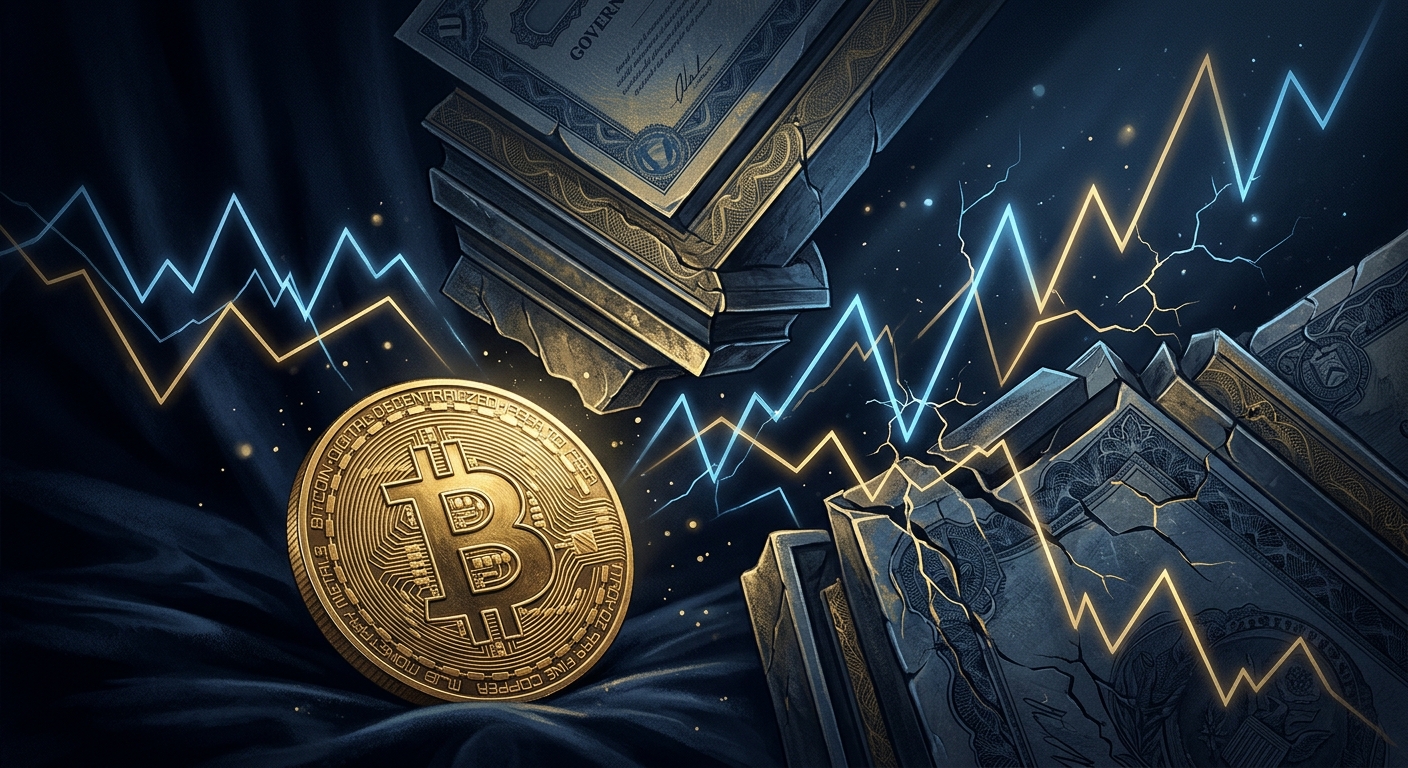
How Does a Sovereign Debt Crisis Affect Bitcoin? Looking at Crypto Market Reactions Through the Lens of Government Bond Risk
Whenever a country sees government bond yields spike, a credit rating downgrade, or a sharp currency depreciation, someone in the crypto community always says: "Bitcoin's opportunity has arrived." But the real market is often not that simple.

What Is Crypto Insurance? How Does Crypto Insurance Protect Digital Assets?
As banks, asset managers, and investment institutions gradually enter the cryptocurrency market, digital asset security is no longer a concern only for exchanges and individual investors.

Can Stablecoin Cross-Border Payments Change Traditional Bank Transfers?
With the development of blockchain technology and stablecoins, new options are emerging for cross-border fund transfers. Stablecoins pegged to the US dollar, such as USDT and USDC, can be transferred between different wallets via blockchain networks.
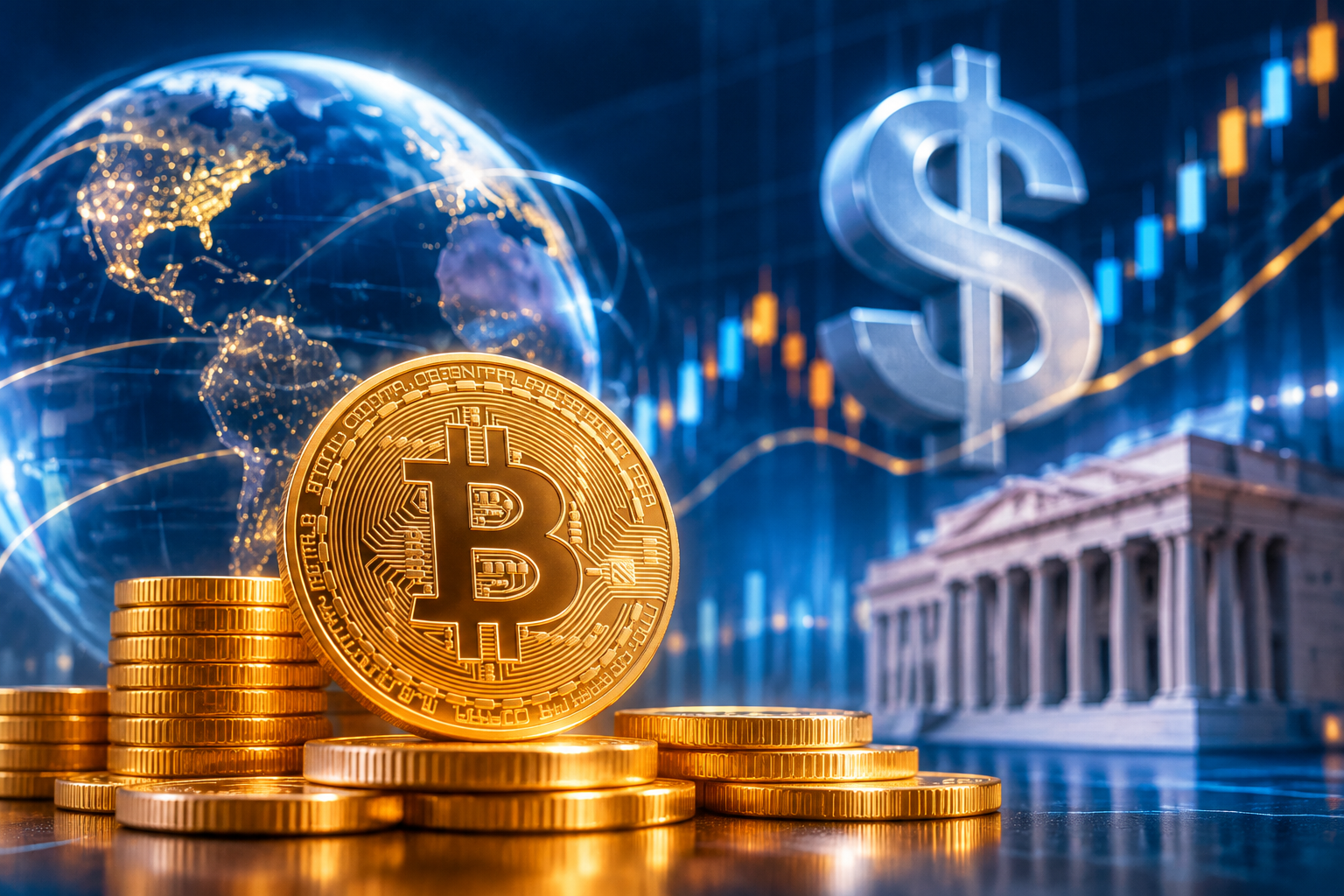
How Does US Dollar Liquidity Affect Bitcoin? The Capital Linkage Between Traditional Finance and the Crypto Market
In global financial markets, the US dollar is not only an important currency for international trade and cross-border settlement, but also a key capital variable affecting stock, bond, gold, and cryptocurrency markets.
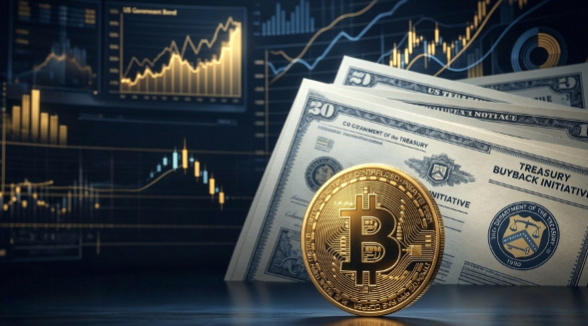
How Do U.S. Treasury Buybacks Affect Bitcoin? Looking at Crypto Assets Through Market Liquidity
U.S. Treasury buybacks are not only related to the liquidity of the U.S. bond market, but may also affect Bitcoin and other crypto assets through Treasury yields, U.S. dollar trends, and the financing environment.
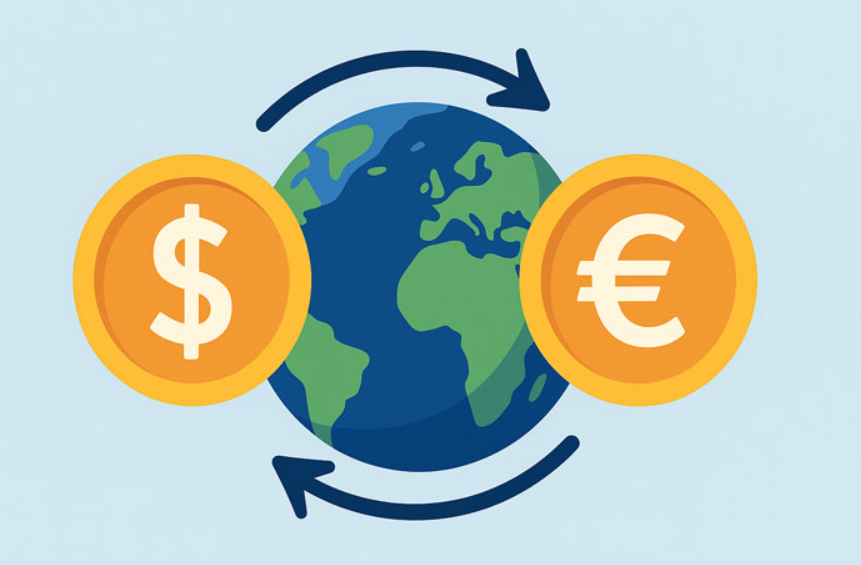
How Does a Currency Converter Work? Exchange Rate Calculation, Fees, and a Guide to Forex Trading
For forex traders, a currency converter is not only a simple calculation tool but also an important tool for understanding exchange rate changes, comparing the value of different currencies, and assisting trading decisions.

Interest Rates, Economic Cycles, and Bitcoin: How Do Traditional Financial Markets Affect Cryptocurrencies?
Many investors view Bitcoin as a digital asset independent of the traditional financial system. Since Bitcoin is not issued by central banks, some consider it an alternative investment outside traditional financial markets.

What Is Tokenized Gold? How Does It Differ from Physical Gold?
As blockchain technology gradually enters the traditional financial sector, gold is no longer held only in the form of bars, coins, and traditional financial products; tokenized gold is also beginning to attract attention from cryptocurrency investor

How to Build a TradFi Watchlist for Crypto Trading: A Practical Guide
This guide explains how to build a TradFi watchlist from scratch, choose relevant market data, and incorporate those observations into a daily cryptocurrency trading routine.
- 1
- 2
- 3